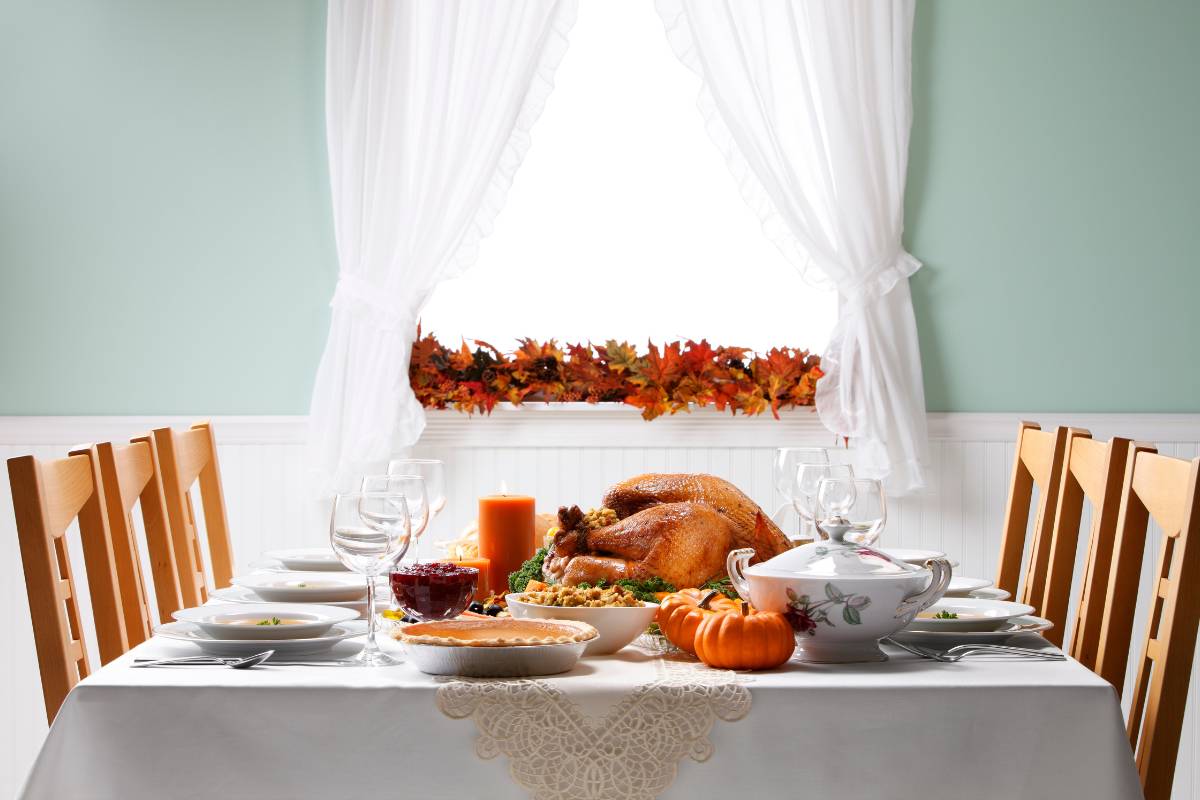

A home buffet should make serving easier, not turn your dining room into a traffic jam. Learning how to set up a party buffet means thinking beyond where the food will sit. The placement of the table, the order of the dishes, the serving equipment, and the path guests take through the room all affect how smoothly the meal goes.
A buffet is a practical choice for birthdays, graduations, showers, holiday gatherings, backyard parties, and family celebrations. Guests can choose what they like, return for seconds, and eat at their own pace. Hosts also avoid the challenge of plating and serving every meal individually.
The key is creating a setup that feels organized without making your home feel like an event hall. These practical steps will help you plan a buffet that works for your menu, space, and guest count.
Choose The Location for Your Buffet
Start by choosing a buffet location with enough room for guests to approach the table, serve themselves, and step away without blocking the next person.
The dining room may seem like the obvious choice, but it is not always the most functional. A buffet can also work along a kitchen wall, across a large island, in a finished basement, or under a covered outdoor area.
Look for a location that is close enough to the kitchen for convenient food checks and refills. At the same time, keep the buffet outside the main food preparation zone. Guests should not have to walk through the kitchen while you are opening containers or managing hot dishes.
Walk through the space before moving any furniture. Picture a guest carrying a full plate and ask:
- Where does the line begin
- Is there enough room to reach every dish
- Can guests leave the line without turning around
- Does the route cross a doorway or seating area
- Is there a clear path to the dining tables
Arrange The Table
Arrange the buffet in the same order guests will build their plates. A logical sequence keeps people moving and makes the table easier to understand at a glance.
Start with plates at the beginning. Follow them with salads or cold selections, main dishes, side dishes, breads, and condiments. Place napkins and flatware at the end so guests do not have to balance them while using serving utensils.
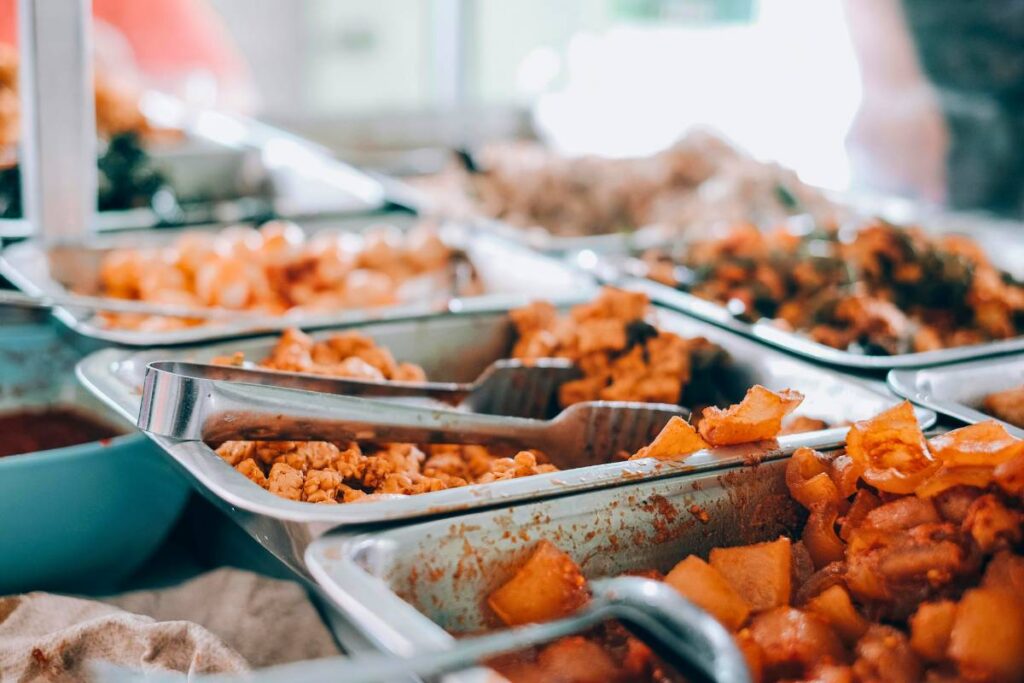
Give each dish a dedicated spoon, fork, or pair of tongs. Choose utensils that are easy to grip and large enough for the food being served. A small household spoon may be fine for a sauce, but it will slow the line when guests are trying to serve potatoes or pasta.
As shown in the example to the right, matching each dish with the right serving utensil helps guests move through the buffet more easily and keeps portions neat.
Create Guest Flow Around Your Buffet Setup
Drinks should have their own station. Pouring beverages, adding ice, and choosing drink options take longer than picking up food. A separate beverage area prevents one guest making a cup of coffee from holding up the entire buffet.
Menus that require assembly need additional room. Taco bars, sandwich spreads, baked potato bars, and similar meals should follow the order in which guests will add ingredients. Start with the base, continue with proteins and toppings, and finish with sauces.
Before inviting guests to eat, briefly point out the beginning of the buffet, the drink station, and any dietary selections. A quick explanation removes uncertainty and helps everyone settle into the meal.
Prepare For Service
Complete as much of the physical setup as possible before guests arrive.
Put the table covering, serving dishes, labels, utensils, napkins, and plates in position early. This gives you time to check the layout and make changes without working around open food.
Cold dishes and hot foods should be added closer to the scheduled mealtime. Follow the preparation, holding, and warming instructions provided with your catering order or equipment.
Keep paper decorations, loose tablecloth edges, children, and guest belongings away from any warming equipment. Hot pans should sit on stable surfaces where they will not need to be moved once service begins.
Designate a nearby staging area for supplies that should not be visible on the buffet. Useful items may include:
- Extra plates and napkins
- Replacement serving utensils
- Food storage containers
- Cleaning towels
- Trash bags
- Covered backup food
Ask one person to keep an occasional eye on the buffet. This does not need to become a full time job. A quick check can catch a nearly empty tray, a missing spoon, or a spill before it becomes distracting.
For catered events, ask what arrives ready to serve, what requires warming, and what equipment is included. Clear instructions make it easier to prepare the space before delivery.
Protect Food Quality
A good buffet plan keeps the food looking and tasting inviting throughout the meal.
Instead of placing every bit of food out at once, use serving dishes that fit the expected pace of the party. Smaller trays can be replenished as needed, helping the table look fresh and making food easier to manage.
Keep covered backup portions in the appropriate staging area until they are needed. Avoid adding new food directly on top of food that has been sitting out. Replace or replenish serving dishes according to the handling instructions for the menu.
Place sauces and condiments beside the foods they accompany. Guests should not need to move backward through the line because the gravy, dressing, or sandwich spread is several dishes away.
Think about foods that may drip, roll, or require extra effort to serve. Place them where guests have room to steady their plates. For example, carving items, sauced entrees, and layered casseroles should not be squeezed into the narrowest part of the table.
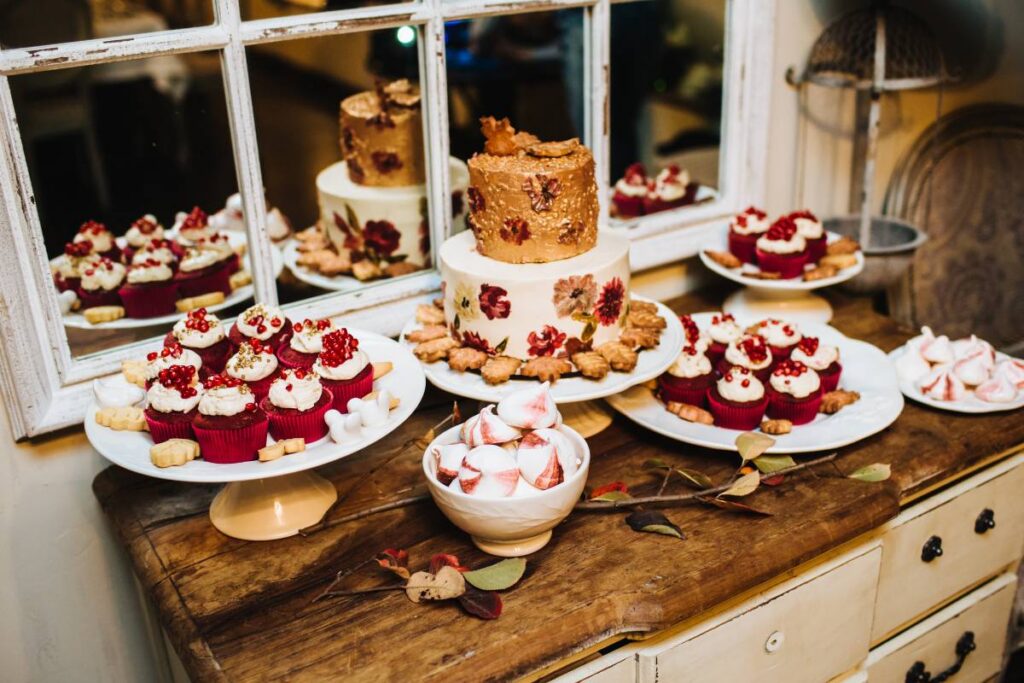
Desserts usually look and hold better when they are brought out later. Clearing part of the main buffet before serving sweets also gives the party a natural transition from dinner to dessert.
Avoid Buffet Mistakes
Most buffet problems come from small setup decisions rather than the food itself.
Starting in a corner: Guests need room to gather before entering the line. A starting point trapped beside a wall or piece of furniture creates an immediate backup.
Using oversized decorations: Tall centerpieces and bulky decor can block dishes or make serving difficult. Keep buffet decorations low, simple, and away from warming equipment.
Forgetting serving tools: Every dish needs its own utensil. Sharing utensils between foods slows service and may mix sauces, ingredients, or allergens.
Opening food too early: An impressive spread can lose its appeal when everything has been uncovered long before the meal begins. Finish the table early, then add the food at the appropriate time.
Underestimating cleanup: Decide where guests will place used plates, napkins, and cups. A visible trash and dish collection area keeps abandoned tableware from piling up around the house.
Another common misconception is that drop off catering removes every hosting task. It can save hours of shopping, preparation, and cooking, but someone still needs to oversee the room, open the buffet, and handle the flow of the meal. Assigning those responsibilities ahead of time keeps the host from trying to do everything at once.
Choose a Catered Buffet Option
A self-serve buffet can work beautifully when the space is manageable, the menu is straightforward, and a host or helper can check the food occasionally.
Full-service catering becomes more useful when the guest count, menu, or timeline requires more attention. It may be a better fit when:
- Multiple hot dishes need to be managed
- The event includes indoor and outdoor areas
- The buffet requires frequent replenishment
- Guests will arrive or eat in different waves
- The menu includes a catering station
- The host wants help with setup, service, or cleanup
Lee n’ Eddies offers drop off or full-service options, along with Party Packs, customizable menus, and catering stations for different types of gatherings. The right choice depends on how many guests you are feeding, the layout of your home, and how involved you want to be once the party begins.
For a casual gathering, a drop off buffet may provide exactly the right amount of support. For a larger milestone event, professional service can help the meal stay organized while you spend time with your guests.
Common Home Party Buffet Questions
How Much Buffet Space Do I Need Per Dish?
What Type of Plates Work Best for a Buffet?
How Should Dietary Options Be Arranged?
Place vegetarian or allergy conscious selections in a clearly labeled area with their own serving utensils. When cross contact is a concern, position those foods before dishes containing the ingredient you are trying to avoid. Guests with specific dietary needs should still confirm which menu items are appropriate for them.
Should The Buffet Stay Open During the Entire Party?
Should I ask the host before bringing a warm side?
Host With Confidence
A successful home buffet does not need an elaborate display. It needs a clear layout, a sensible serving order, enough room to move, and a plan for keeping the meal organized.
Choose the location carefully. Arrange dishes in the order guests will use them. Create separate spaces for beverages and slower serving items. Prepare supplies before the party and decide who will monitor the table once the meal begins.
With those details handled, you can spend less time directing traffic and more time enjoying the people you invited.
Planning a larger home party in Chicagoland? Lee n’ Eddies makes it easier to feed the whole crowd with customizable menus and drop off or full service options. View Menus to choose a starting point or Request a Quote and let the team recommend a plan built for your guest count.