A Comprehensive Resource for Brides-to-Be
Planning a wedding comes with a lot of moving parts, and somehow every small decision can start to feel like a big one.
From setting your budget and choosing vendors to building the timeline, planning the menu, and keeping guests comfortable, this guide is here to help you sort through the questions that matter most. Think of it as your wedding planning starting point, with practical answers, simple next steps, and a little breathing room built in.
Whether you are planning a classic reception, a lively buffet, or a full wedding weekend with food-focused moments along the way, the goal is the same: keep the day organized, personal, and easy for your guests to enjoy.
1. How do you start planning a wedding?
Begin with three foundational decisions:
- Establish a realistic total budget range.
- Estimate your guest count.
- Choose a general season or target date window.
These three factors determine venue options, vendor availability, and overall scope.
2. What vendors should be booked first?
Secure these early:
- Ceremony venue
- Reception venue
- Caterer (if separate)
- Photographer
- Planner or coordinator
- Entertainment
3. How do you choose the right ceremony and reception venues?
Evaluate both spaces separately and together.
For the ceremony venue, consider:
- Capacity and seating layout
- Sound quality
- Weather backup (if outdoors)
- Accessibility
- Processional flow
Evaluate both spaces separately For the reception venue, consider:
- Room layout and dance floor space
- Lighting (day and evening)
- Bar placement
- Catering logistics
- Space for band or DJ
- Guest comfort and table spacing
4. How do you build a realistic wedding timeline?
Work backward from ceremony time and include:
- Getting ready schedule
- Photography start time
- Ceremony length
- Travel between venues (if applicable)
- Cocktail hour
- Dinner service
- Toasts
- Dances
- Cake cutting
- Sendoff
Add 10–15 minute buffer windows to prevent stress from small delays.
5. How do you determine your wedding budget allocation?
A common framework:
- 40–50% Venue and catering
- 10–15% Photography and video
- 10% Attire
- 10% Florals and décor
- 10% Entertainment
- 5–10% Miscellaneous and contingency
Adjust based on your priorities.
6. What type of food service works best?
Each style creates a different atmosphere:
Plated: Structured and elegant
Buffet: Guest choice and flexibility
Stations: Interactive and social
Family-style: Warm and communal
The right choice depends on guest count, venue layout, and timeline flow.
7. How much food should be served at a wedding?
The amount and timing of food depend on:
- Time of day (brunch, afternoon, evening)
- Length of event
- Guest count
- Alcohol service
- Cultural expectations
General guidelines:
- Cocktail hour should include enough passed or stationary appetizers to sustain guests for 60 minutes.
- Dinner portions should be full, not sample-sized.
- Offer at least one vegetarian option.
- If dancing extends past three hours after dinner, consider late-night snacks.
- Ensure vendor meals are accounted for in final counts.
Underfeeding is more noticeable than overfeeding.
8. How do you accommodate dietary restrictions?
Collect dietary needs during RSVP and confirm with your caterer. Provide:
- Vegetarian option
- Gluten-conscious option
- Allergen awareness (nuts, shellfish)
Clear labeling prevents confusion.
9. How do you choose a wedding cake or dessert alternative?
Consider:
- Guest count
- Flavor variety
- Display size versus sheet cake backup
- Storage needs
- Cake cutting timing
Popular alternatives include:
- Dessert tables
- Cupcakes
- Donut displays
- Specialty cultural desserts
- Mini pastry assortments
Choose something that fits the tone of your reception.
10. When should invitations be sent?
- Save the Dates: 6–8 months before
- Invitations: 6–8 weeks before
- RSVP deadline: 3–4 weeks before
11. Should you create a wedding website?
Yes. Include:
- Event schedule
- Locations and maps
- Dress code guidance
- Registry links
- Hotel information
- Transportation details
- FAQ section
This reduces repetitive guest questions.
12. How do you choose a wedding dress style?
Consider:
- Venue type
- Season
- Comfort
- Silhouette
- Fabric weight
- Mobility for dancing
Try multiple silhouettes before deciding.

13. When should you buy your wedding dress?
Order 9–12 months before the wedding to allow time for production and alterations.
14. How do you choose a photographer?
Look beyond highlights. Review:
- Full wedding galleries from start to finish
- Consistency in lighting and editing
- Reception and low-light photography
- Candid moments, not just posed images
- Experience at similar venues
Ask to see at least two complete wedding albums.
15. Do you need a videographer?
Consider one if:
- You want vows and speeches professionally captured
- You have out-of-town guests who cannot attend
- You value reliving emotional moments
Video preserves sound, which photos cannot.
16. What is a first look, and should you do one?
A first look is a private reveal before the ceremony. It allows:
- More portrait time
- A smoother timeline
- Less rushed cocktail hour
17. How long should a ceremony be?
18. How do you structure reception flow?
Typical flow:
- Cocktail hour
- Entrance
- Dinner
- Toasts
- First dances
- Open dancing
- Cake or dessert
- Sendoff
19. How do you decide between DJ and live band?
DJ: Greater music range and lower space requirements
Band: Live energy and visual presence
Consider venue size and guest demographics.
20. What does a day-of coordinator actually handle?
They manage:
- Vendor arrivals
- Timeline enforcement
- Problem-solving
- Setup oversight
- Guest direction
- Final vendor payments
They protect your time and peace of mind.
Uncommon but Highly Useful Wedding Q&As
21. How much buffer time should be built into a wedding day timeline?
22. Should vendors be provided meals?
23. How do you prevent long gaps between ceremony and reception?
24. What are commonly forgotten wedding expenses?
- Vendor meals
- Gratuities
- Transportation overtime
- Postage
- Marriage license fees
- After-party food
25. What is the best way to manage guest seating?
Start with:
- Immediate family
- Elderly guests
- Wedding party
- Friends grouped by familiarity
Avoid isolating single guests at tables of couples.
26. How do you protect sentimental items on the wedding day?
Assign a trusted person to monitor:
- Card box
- Guestbook
- Gifts
- Heirloom jewelry
- Reserved décor items
27. How do you minimize wedding day stress?
- Delegate decisions early
- Confirm vendors one week prior
- Eat breakfast
- Hydrate
- Avoid overscheduling
- Build in quiet moments
28. What details matter most in photos?
- Natural light placement
- Clean getting-ready spaces
- Coordinated color palettes
- Thoughtful décor spacing
- Organized family photo lists
29. How do you handle children at a wedding?
Options include:
- Adults-only event
- Immediate family children only
- Activity kits at tables
- Professional childcare services
Communicate clearly on invitations.
30. What happens after the wedding ends?
Plan for:
- Rental returns
- Gift transport
- Dress preservation
- Marriage license filing
- Vendor final payments
- Thank-you note tracking
Wedding planning comes with plenty of questions, but the right answers can make the process feel a lot more manageable. Start with the big pieces, give yourself room to adjust, and lean on experienced vendors who can help keep the day moving smoothly. From the ceremony timeline to the final bite of dessert, every detail should support the kind of celebration you actually want to enjoy.
When you are ready to plan the food side of the day, Lee n’ Eddies can help you choose a menu, service style, and setup that fits your guest count, your timeline, and your crowd.
Lee n’ Eddies Wedding Catering & Services Explained
1. What is included with Lee n’ Eddies wedding catering packages beyond the food?
2. Which Lee n’ Eddies wedding menu style fits our reception best?
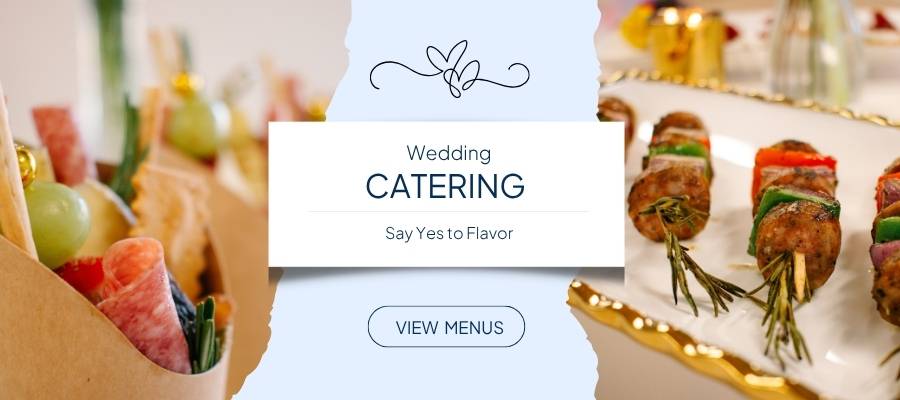
Lee n’ Eddies offers a variety of wedding menus to fit different reception styles from plated meals to buffets and even catering stations. View our menus here.
3. Can Lee n’ Eddies help with more than reception catering, like rehearsal dinners and other events?
4. How does the Lee n’ Eddies Wedding Tasting work and what should we do to prepare for it?
Lee n’ Eddies hosts wedding tasting events where couples can sample portions of their wedding menu favorites and get a sense for what could be served on the big day. While event details may vary by date, tastings typically include a range of appetizers, entrée samplings, beverages, and desserts, often with gluten-free and vegetarian options. Attendees are encouraged to RSVP in advance, and tasting fees are sometimes credited back upon booking.